

Reviewed · PANTANAL WILDLIFE TOURS
Pantanal of Rio de Janeiro
Wildlife is closer than you expect. This three-hour outing swaps Rio’s usual beaches and viewpoints for the waterways around Barra da Tijuca, where caimans, capybaras, mangroves, and island life share the scene. I like the unusual setting and the chance to see Gigóia Island with Pedra da Gávea behind it. The main drawback is the extra boat charge, which makes the true cost higher than the advertised tour price.
The meeting point is easy to reach, in front of Jardim Oceânico subway station, Exit A. I also like the guide service in English, Portuguese, or Spanish, especially when the guide can explain both the natural setting and Brazilian culture. Allow a little patience at the start, though, since one visit had a late guide and unclear app timing.
In This Review
- Key points at a glance
- Rio’s other side, beyond the postcard beaches
- Meeting at Jardim Oceânico and getting started
- Paying the boat captain separately
- Cruising among the islands
- Meeting caimans and capybaras
- Walking through Gigóia Island
- Pedra da Gávea from the water
- The optional stop at Barra da Tijuca beach
- How much the guide affects the experience
- Who should book this Rio nature outing?
- Practical details before you reserve
- Should you book the Pantanal of Rio de Janeiro?
- FAQ
- Where does the tour meet?
- How long does the tour last?
- What languages does the guide speak?
- Is the boat ride included in the advertised price?
- Can I pay the boat fee by card?
- Which island does the tour visit?
- What animals might I see?
- Is Barra da Tijuca beach included?
- Can I cancel for a full refund?
- Do I have to pay when I reserve?
Key points at a glance
- The boat fee is extra: Pay the captain R$60 in cash, or pay by card with a 5 percent surcharge.
- Gigóia Island is the main stop: It is the largest island in the local archipelago and offers a glimpse of island life within Rio.
- Wildlife is the star: Caimans and capybaras are the key animals, with other local species possible.
- Pedra da Gávea changes the view: The famous rock gives the waterways a distinctly Rio backdrop.
- Barra da Tijuca beach is optional: You can add a beach visit if it fits your plans.
- Guides can add real value: Ione received especially warm praise for her Spanish, English, patience, and explanations.
Rio’s other side, beyond the postcard beaches
Rio is famous for Sugarloaf, Christ the Redeemer, Copacabana, and Ipanema. This tour takes you somewhere quite different: the waterways and islands near Barra da Tijuca, in the city’s western zone.
The name Pantanal of Rio de Janeiro can sound grander than the actual experience. This is not the vast inland Pantanal wetlands of Mato Grosso do Sul. It is a smaller urban wetland area, shaped by canals, mangroves, islands, and lagoons. That difference matters. You are not heading into a remote wilderness. You are seeing a surprising pocket of nature framed by apartment districts, beaches, and Rio’s great granite peaks.
That contrast is the appeal. One moment you are near a subway station and a major city road. Soon after, you are moving through water with mangrove growth along the edges and animals near the banks. Pedra da Gávea rises in the distance, linking the quiet waterways to Rio’s familiar mountain scenery.
I would choose this outing for a second or third day in Rio, once you have covered the classic sights. It gives you a change of pace without requiring a full-day trip outside the city.
Other Pantanal wildlife trips:
- 4-day Pantanal Tour with accommodation – Departing from Cuiaba
★ 5.0 · 23 reviews - 6 Days Pantanal and Jaguar Safari departing from Cuiaba
★ 5.0 · 13 reviews - 8 Days Jaguars and Pantanal Safari tour
★ 5.0 · 12 reviews
Meeting at Jardim Oceânico and getting started
The tour begins in front of Jardim Oceânico subway station, at Exit A. This is a useful meeting point because you do not need to work out a complicated pickup arrangement or find a distant marina on your own.
You should arrive with enough time to identify the guide. Communication at the beginning is worth taking seriously. One booking had a delayed guide, and the activity appeared to have started in the booking system before the meeting actually took place. That caused understandable worry. If the guide is not immediately visible, check your messages and contact details before assuming you have missed the group.
The advertised tour lasts three hours. That gives you enough time for the boat ride, island visit, and explanations, but it is not a leisurely full-day nature expedition. The pace can also depend on the boat schedule and the optional beach stop.
The guide is included, and the service is available in English, Portuguese, and Spanish. That language choice is important here because the experience depends on interpretation. Without explanation, you see water, reeds, islands, and animals. With a good guide, you can better understand how the waterways fit into city life and why this part of Rio feels so different from the southern beaches.
Paying the boat captain separately
The advertised price is $32 per person, but you should budget for an additional boat payment. The boat costs R$60, paid directly to the captain.
Cash is the cleanest option. Card payment is possible, but it carries a 5 percent surcharge. This extra charge is not a small footnote when you are comparing tours. The experience may still offer fair value, but the total cost is higher than the headline price suggests.
I recommend treating the price as two parts:
- The booked tour price covers the organized experience and guide.
- The boat ride costs R$60 extra per person.
- Card payment for the boat adds 5 percent.
The value depends on what you want from Rio. If you only want famous landmarks, this may feel expensive for three hours and a relatively small area. If you want a local nature outing, wildlife, island scenery, and a guide who can answer questions, the cost becomes easier to justify.
The rating attached to the experience is 4.7 from 19 ratings, which points to generally strong satisfaction, but the lower score provides a useful warning. One person felt the tour was overpriced and considered most of the island visit unnecessary. That is a fair criticism if your main aim is wildlife and nothing else.
Cruising among the islands
The boat route passes through the archipelago around Barra da Tijuca. Gigóia Island is the largest island in the group and the main place to visit on foot.
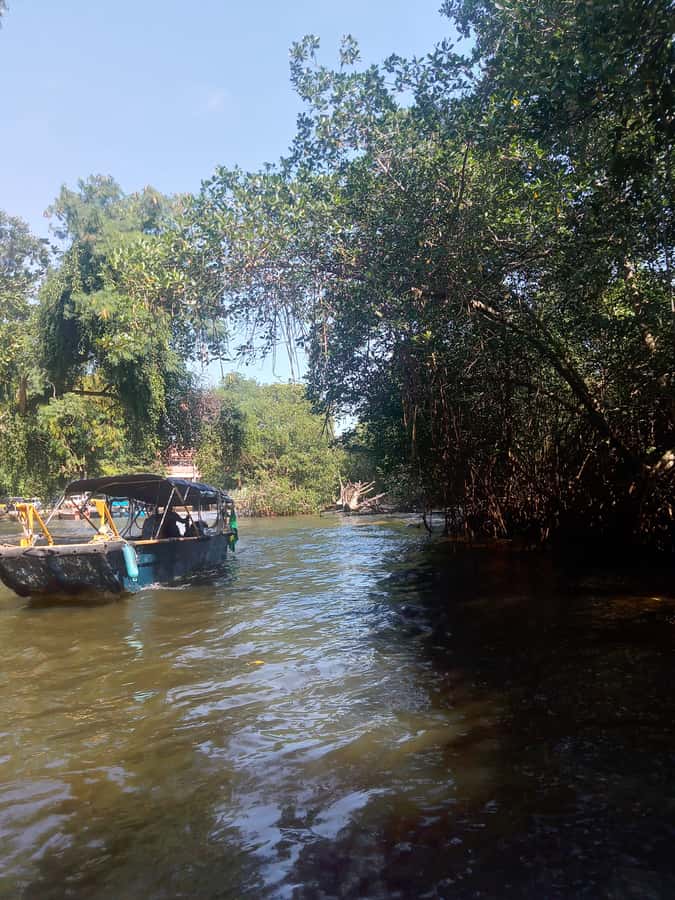
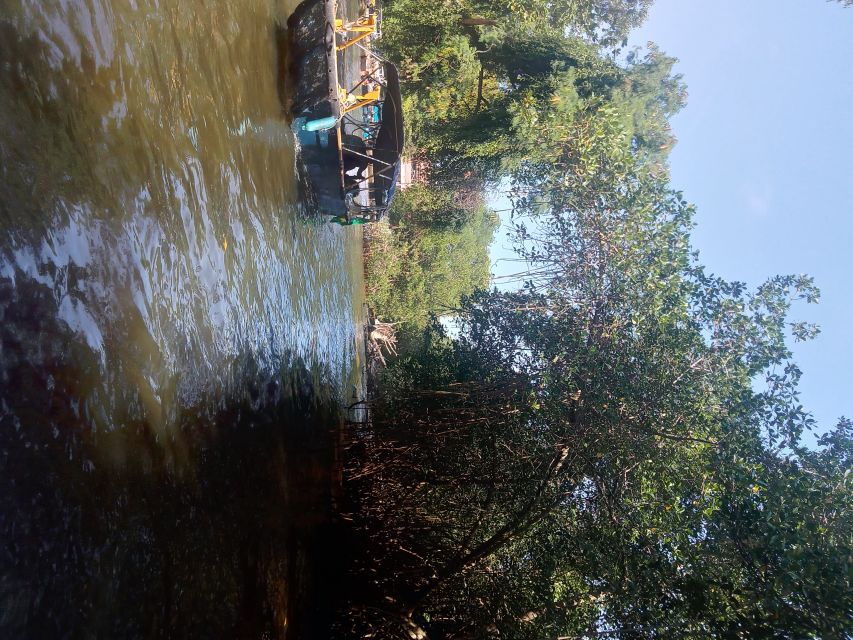
The boat ride is the heart of the outing. From the water, you get a different angle on Rio’s western neighborhoods, with mangrove areas and stone peaks sharing the view. This is not the polished, open-ocean look of Ipanema. The scenery is quieter, more enclosed, and more closely tied to the local waterways.
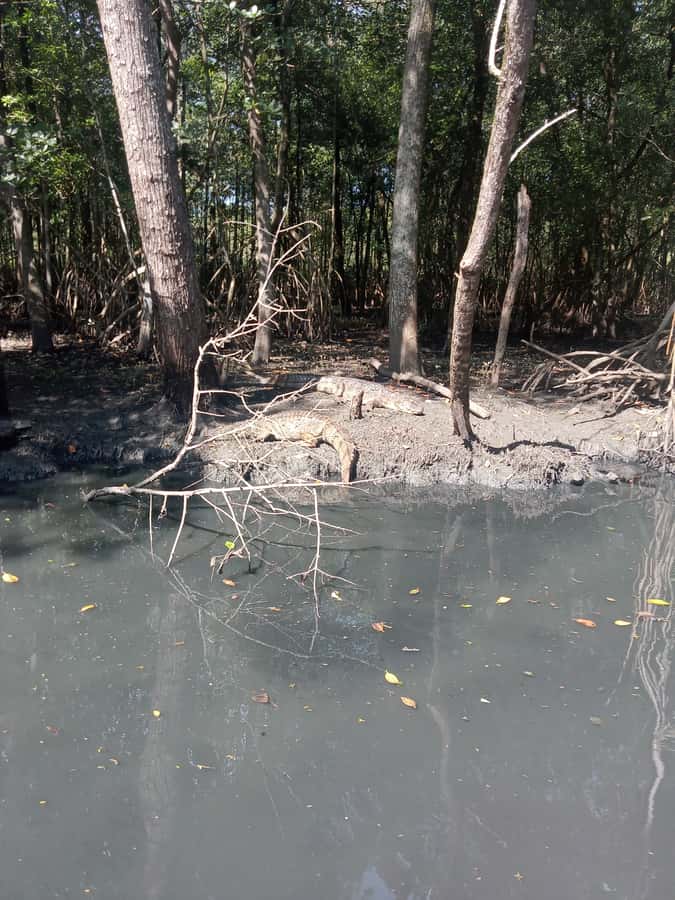
The boat also gives you the best chance of seeing the animals. Caimans and capybaras are the headline sightings. You may also see other animals of the region, but wildlife is never guaranteed, and the experience should not be judged like a zoo visit. The animals are in their own setting, and sightings can vary.
That uncertainty is part of the charm, but it also shapes expectations. You may get a close look at a caiman or a capybara. You may instead spend more time watching the water, mangroves, and island activity. A guide can make those quieter moments worthwhile by pointing out what you might otherwise miss.
The boat ride was singled out as a highlight by several people. It was described as cool and especially good for seeing the caimans and capybaras. If animals are your main reason for booking, give the boat portion priority and keep the rest of the itinerary in perspective.
A few more Rio De Janeiro days to weigh up
- Rio de Janeiro: 6-Stop Highlights of Rio with Lunch
★ 4.4 · 5,157 reviews - Christ the Redeemer Entry Ticket by Corcovado Train
★ 4.4 · 4,476 reviews - Rio’s City Tour – Tickets for Christ, Sugar Loaf & Lunch included
★ 5.0 · 4,389 reviews - Full Day: Christ Redeemer, Sugarloaf, City Tour & Barbecue Lunch
★ 4.5 · 3,142 reviews
Meeting caimans and capybaras
Caimans are the most memorable sight for many people. They bring a touch of wildness to an area that is still part of metropolitan Rio. Capybaras offer a softer counterpoint, and spotting both animals in the same waterway makes the outing feel far removed from the standard city tour.
You should follow the guide’s instructions around wildlife. The supplied information does not promise feeding, touching, or guaranteed close encounters, so do not expect those activities. This is an observation trip.
The setting also helps explain why this outing is worthwhile. Rio’s natural appeal is not limited to its famous mountains and beaches. Here, water, mangrove, animals, and rock formations come together in a compact area. I like that the tour shows nature as part of the city rather than as a separate attraction reached after a long transfer.
For families, this can be an engaging way to add wildlife to a Rio visit. Children who have already seen the main viewpoints may enjoy the surprise of finding caimans and capybaras near the city. Adults who prefer local scenery and a slower pace may like it for the same reason.
Still, wildlife lovers should be realistic. This is a three-hour urban outing, not a specialist animal safari. If you need a long list of species or guaranteed sightings, look elsewhere. If you enjoy seeing what appears naturally and learning about the setting, it makes more sense.
Walking through Gigóia Island
Gigóia Island adds a human side to the tour. You are not only looking at nature from a boat. You also get a brief look at life on one of the local islands.
The island visit is relatively simple. It is best understood as a short cultural and scenic stop rather than a major attraction packed with sights. You might see how restaurants, water taxis, and island routines fit together in a place surrounded by the city but reached by water.
One useful detail is the food option. Several restaurants are available on the island, making it possible to stay for a meal after the tour. A guide named Ione recommended a restaurant with a fine view to one visitor, who then needed a water taxi to return toward the metro. That extra ride cost R$6.
This is practical information if you want to linger. The included three-hour schedule may not cover a full meal, so plan to ask the guide how the timing works before sitting down. You should also keep a few reais available if you intend to use a water taxi afterward.
The island will suit you if you enjoy seeing ordinary local life and stopping for food. It may disappoint you if you expect a long walking tour with many landmarks. One lower-rated experience found the island visit less useful than the boat and wildlife portions. I would agree that its value depends heavily on your interest in place and people.
Pedra da Gávea from the water
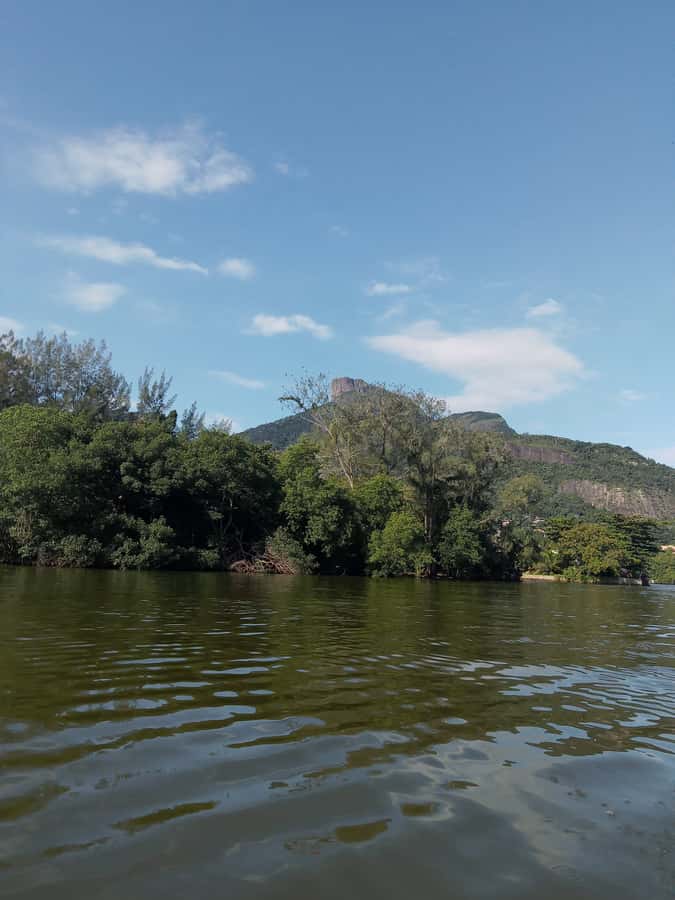
The view toward Pedra da Gávea is one of the tour’s best visual details. The enormous rock is a familiar Rio landmark, but seeing it from the waterways changes its character.
From this angle, the city’s natural features appear in layers: water in the foreground, mangrove and islands around you, and large stone formations beyond. It is a good reminder that Rio’s beauty is not confined to its famous southern shoreline.
This is also where the tour earns its name as a different kind of Rio outing. You get the city, but not in the usual way. Instead of looking down from a mountain or across a beach, you watch the urban setting from a boat moving through a quieter zone.
Bring your camera, but do not expect every view to be perfectly open. The channels and vegetation shape what you can see. The pleasure comes from the changing combination of water, wildlife, islands, and rock.
The optional stop at Barra da Tijuca beach
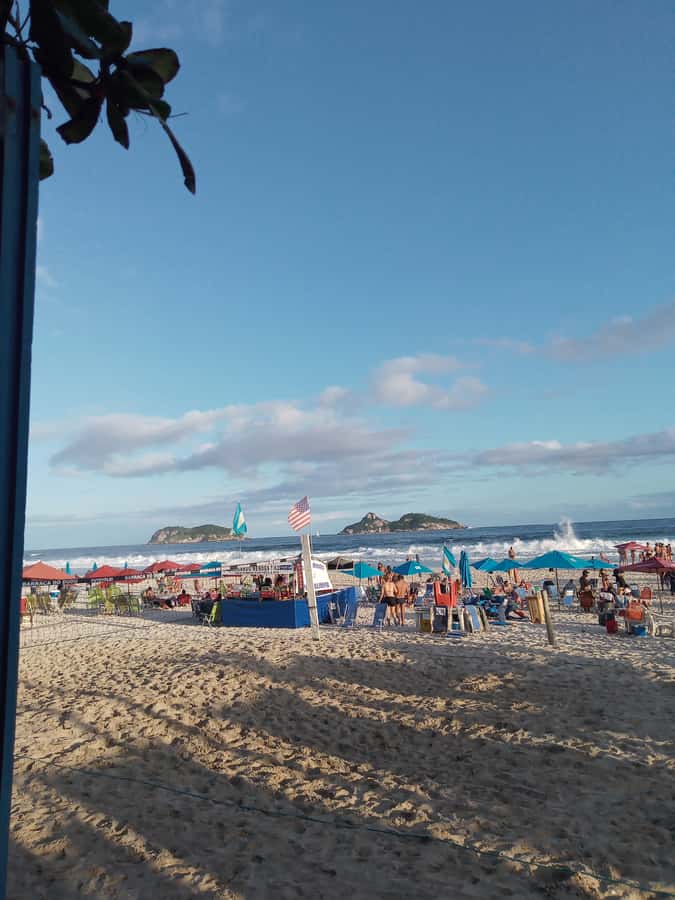
Barra da Tijuca beach can be added as an optional part of the outing. It gives you a chance to see one of Rio’s major beaches beyond the better-known Copacabana and Ipanema areas.
The beach is useful for travelers who want to connect the waterways with the coast. One person especially enjoyed seeing Barra because it was not high on the usual Rio sightseeing list. That is a good reason to include it if you have time and want a broader view of the western part of the city.
Do not treat the beach stop as the main event. The tour’s strongest identity comes from the boat, animals, islands, and Pedra da Gávea views. The beach works best as an extra, not as the reason to book.
If your schedule is tight, I would focus on the boat and Gigóia Island. If you have already seen the classic beaches and want something different, the optional Barra stop can round out the afternoon.
How much the guide affects the experience
The guide can make a major difference. The service is offered in three languages, and the best feedback focused on clear explanations, patience, and broad knowledge of the area and Brazil.
Ione received particularly warm praise. Her Spanish was described as very good, and she did not rush the outing. Another person highlighted her strong English and her ability to explain the area. A separate booking valued the guide’s current understanding of Brazil and the chance to discuss culture, history, and how the country is changing.
That tells you what to expect from a strong guide: not only directions, but context. You can ask about the islands, the waterways, local life, and the relationship between Rio’s natural spaces and its urban growth.
The guide also helps with small but important choices, such as where to eat and how to return from the island. Since the tour can finish with optional plans rather than a fixed return transfer, practical advice is useful.
There is one organizational weakness to note. The delayed start reported by two people suggests that communication can occasionally be imperfect. I would keep your phone available at the meeting point and avoid scheduling a tight connection immediately after the three-hour tour.
Who should book this Rio nature outing?
I would recommend it most strongly to:
- People who have already visited Rio’s major landmarks
- Families interested in seeing caimans and capybaras
- Nature fans who prefer a short city outing to a full-day excursion
- Visitors curious about island life and local restaurants
- Anyone who wants an English, Spanish, or Portuguese-speaking guide
- Photographers looking for Pedra da Gávea from an unusual angle
I would be more cautious if you want a packed sightseeing schedule. The outing is intentionally slower and more focused. The island walk may feel brief, and wildlife sightings are not guaranteed.
It may also feel overpriced if you judge it only by the number of stops. Remember that the boat payment comes separately. The fair comparison is the full amount, not just the $32 booking price.
Practical details before you reserve
The total duration is three hours, and starting times depend on availability. Check the chosen time carefully and leave room for a possible delay.
The meeting point is in front of Jardim Oceânico subway station, Exit A. The guide service is available in English, Portuguese, and Spanish.
You can cancel up to 24 hours before the activity for a full refund. The reserve-now, pay-later option lets you hold a place without paying immediately, which is useful when your Rio schedule is still shifting.
Bring cash for the R$60 boat payment. If you pay by card, add the 5 percent fee. If you plan to eat on Gigóia Island or return by water taxi, carry extra Brazilian reais.
The best mindset is simple: expect an urban wetland outing with a boat ride, animal sightings, island life, and striking mountain views. Do not expect a remote wilderness trip or a long list of formal attractions.
Should you book the Pantanal of Rio de Janeiro?
Yes, if you want to see a less familiar side of Rio and like the idea of combining wildlife with local island life. The boat ride, caimans, capybaras, and Pedra da Gávea views give the tour a clear identity, while a good guide can add useful cultural context.
I would skip it if you have only one day in Rio and still need the classic landmarks, or if the extra R$60 boat payment pushes the cost beyond your comfort level. For everyone else, this is a pleasant change from the standard city circuit. Book it with realistic expectations, arrive at Jardim Oceânico with patience, and keep a little cash ready for the captain and any water taxi afterward.
FAQ
Where does the tour meet?
The meeting point is in front of Jardim Oceânico subway station, at Exit A.
How long does the tour last?
The tour lasts three hours.
What languages does the guide speak?
The live guide service is available in English, Portuguese, and Spanish.
Is the boat ride included in the advertised price?
No. The boat ride costs R$60 per person and is paid directly to the captain.
Can I pay the boat fee by card?
Yes. Card payment is available, but it has a 5 percent surcharge.
Which island does the tour visit?
The tour visits Gigóia Island, the largest island in the local archipelago.
What animals might I see?
The tour is intended to show you caimans, capybaras, and other animals of the region.
Is Barra da Tijuca beach included?
A visit to Barra da Tijuca beach is optional.
Can I cancel for a full refund?
Yes. You can cancel up to 24 hours in advance for a full refund.
Do I have to pay when I reserve?
No. The reserve-now, pay-later option allows you to keep your plans flexible and pay later.
Newest reviews from around Rio De Janeiro
- PRIVATE TOUR – Christ the Redeemer and Sugar Loaf★ 4.5 · 9 reviews
- Christ Statue and Sugarloaf Private Tour with a Photographer★ 5.0 · 9 reviews
- Cidade do Samba Behind-the-Scenes Carnival Tour in Rio de Janeiro★ 4.0 · 5 reviews
- Christ the Redeemer Trail x Lage Park★ 5.0 · 7 reviews
- Christ the Redeemer and City Tour★ 5.0 · 20 reviews
- Christ the Redeemer, Selaron Steps and Santa Teresa Half-day Tour★ 4.5 · 15 reviews
- Christ the Redeemer Adventure★ 5.0 · 12 reviews
- Private Tour of Christ the Redeemer in Rio de Janeiro★ 5.0 · 2 reviews
Pantanal Wildlife Tours, compared.

4-day Pantanal Tour with accommodation – Departing from Cuiaba
Read our review →
6 Days Pantanal and Jaguar Safari departing from Cuiaba
Read our review →

2 Days and 1 Night Pantanal Eco Tour from Cuiabá
Read our review →
3-day Pantanal Wildlife Tour with accommodation- Departing from Cuiaba
Read our review →
Browse the lists this tour appears in