
Reviewed · PRIVATE DRIVERS
Little Africa Guided Tour with Transfer
Rio’s past is written in stone. This four-hour tour takes you through Little Africa, connecting Cais do Valongo, Casa da Tia Ciata, Pedra do Sal, and the Instituto dos Pretos Novos with a guide who explains the people and events behind each place. I like the small-group format, which makes it easier to follow serious commentary, and I like that the route does not stop at a photo opportunity but addresses enslavement, memory, music, and present-day change. The main consideration is that the tour involves walking, and vehicle arrangements can vary, so you should confirm pickup and transport details before departure.
The tour costs $60 per person and runs in the morning or afternoon. Monica has earned particular praise for her careful pacing, extra stops, and clear focus on Brazil’s history of enslavement. Still, English ability may vary by guide, and one experience with Antonio involved difficult communication and a cramped vehicle, so I would ask who is leading your departure if English explanation is especially important.
In This Review
- Five things to know before booking
- Why Little Africa deserves four hours of your Rio schedule
- Cais do Valongo, where the tour begins with hard facts
- Casa da Tia Ciata and the cultural life of Little Africa
- Pedra do Sal and the story behind its name
- Instituto dos Pretos Novos, preserving memory in Rio
- A walking tour, not just a vehicle excursion
- Pickup details that can make or break the morning
- The guide matters more than the vehicle
- Is $60 a fair price?
- Who should book this experience?
- Should you book the Little Africa tour?
- FAQ
- How long does the Little Africa Guided Tour with Transfer last?
- How much does the tour cost?
- Where does the tour start and finish?
- Is hotel pickup available?
- Is pickup available in Barra da Tijuca or Recreio dos Bandeirantes?
- What language is the tour offered in?
- Are meals included?
- Are children allowed on the tour?
- What happens if the tour is canceled?
Five things to know before booking
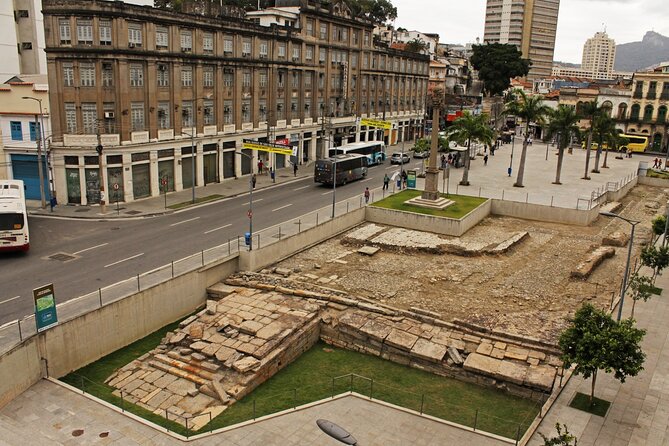
- Cais do Valongo is the emotional center: See the former harbor where enslaved Africans arrived and learn how the site was later covered and forgotten.
- The tour connects four important places: The route moves from the harbor to Casa da Tia Ciata, Pedra do Sal, and the Pretos Novos institute.
- It is a walking tour with transfers: You receive an air-conditioned vehicle, but some movement between sites may still require walking or, in unusual cases, a taxi at your own cost.
- Small groups help with serious subjects: The vehicle holds up to 19 people, but the tour is designed so the guide’s words can be heard and followed.
- Pickup depends on your hotel: Pickup is available in Leblon, Ipanema, Copacabana, Flamengo, and Centro, with an extra charge for Barra da Tijuca and Recreio.
- Bring the basics: Comfortable shoes, sunscreen, sunglasses, and a hat will make the four-hour outing easier.
Why Little Africa deserves four hours of your Rio schedule
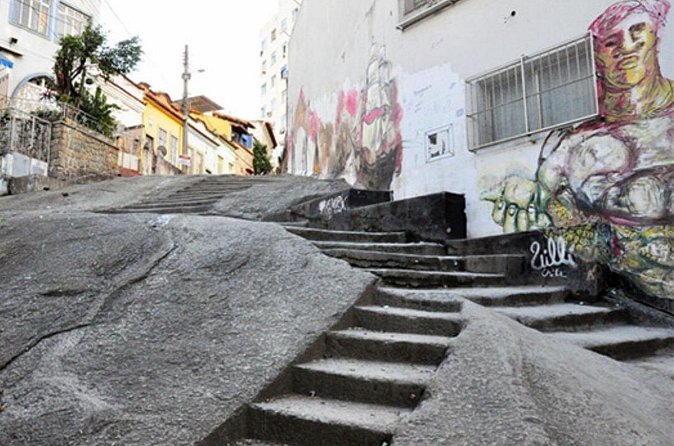
Many Rio tours focus on beaches, viewpoints, and famous buildings. This one asks you to look at a part of the city that is less polished and far more difficult to absorb.
Little Africa is important because its sites connect to the arrival, labor, survival, and culture of Africans in Brazil. You are not simply moving from one monument to another. The guide helps you see how a harbor, a meeting place, a stone hill, and a memorial institute fit together.
I would choose this tour if you want context for Brazil’s multicultural society and are willing to give the subject your full attention. It is not a light sightseeing morning, though there are pleasant views and local details along the way. The guide warns you, in effect, that some moments may be emotional, and that is fair advice.
The four-hour length is useful. A shorter walk might show you the stones at Cais do Valongo and little else. Here, you have time to pause, ask questions, and understand why these places matter.
More Private Transfers in Rio de Janeiro
- TRANSFER 4 PASSENGERS GIG/SDU X Copacabana/Ipanema/Leblon
★ 5.0 · 131 reviews - Private Transfer GIG International Airport To or From Rio de Janeiro
★ 4.5 · 109 reviews - Exclusive Private Rio Tour: Guide & Private Car/Driver
★ 5.0 · 83 reviews
Cais do Valongo, where the tour begins with hard facts
Cais do Valongo was a former harbor used for the arrival of enslaved Africans. The stones used to build it were carried by the same enslaved population brought to Brazil, which gives the site a physical connection to the forced labor discussed by the guide.
The place also changed names over time, reflecting the way people in power tried to shape its public meaning. That detail is worth listening for. A name can hide what happened just as easily as it can preserve it.
The site had been covered over and largely forgotten until its discovery in 2011. It is now recognized as a UNESCO heritage site, adding international attention to a place that was once left out of public memory.
You should expect the guide to spend about an hour here. That may sound long for a small area, but the setting carries layers of information. The guide’s explanation gives the stones meaning that a quick photograph cannot provide.
Admission to Cais do Valongo is free. The value comes from having someone explain the site carefully, rather than from an entrance ticket or a formal display.
Casa da Tia Ciata and the cultural life of Little Africa
The next stop is Casa da Tia Ciata, where you have about an hour to take in the setting and notice details pointed out by your guide.
The supplied information does not promise a fixed collection or a specific performance here, so you should think of this stop as a guided place-based visit. Your guide’s comments are what turn the surroundings into part of the story.
Tia Ciata is presented as an important point in the cultural life of Little Africa. The experience connects the area’s African heritage with Afro-Brazilian culture, rather than treating the neighborhood only as a site of suffering.
That balance matters. You will hear about enslavement and harsh working conditions, but you will also see how African and Afro-Brazilian communities shaped culture and public life. The tour works best when you allow both parts of that story to remain in view.
Admission is free. Wear shoes you can walk in, and do not expect the pace of a bus tour where you remain seated most of the time.
Pedra do Sal and the story behind its name
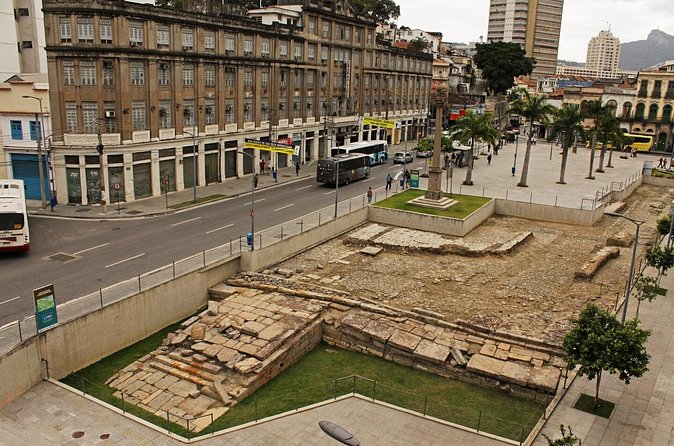
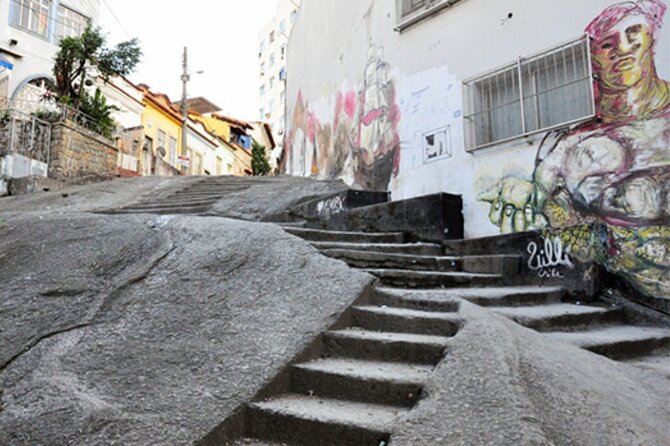
At Pedra do Sal, the guide spends roughly 30 minutes explaining the truth behind the name and the working conditions of the people connected to the area.
This is a shorter stop, but it gives the tour a useful change of focus. At Cais do Valongo, the emphasis is arrival and forced displacement. At Pedra do Sal, you learn more about labor and the daily demands placed on people in the area.
Pay close attention to the explanation of the name. The point is not simply to identify a rock or take a picture. The guide uses the place to correct a shallow version of its story.
You may find this stop especially useful if you have seen Pedra do Sal presented only as a scenic or cultural photo stop. The tour asks you to consider the workers who made the area function and the conditions under which they worked.
Because the stop lasts about half an hour, it is a good place to ask a focused question. The small-group setting should make that easier than on a large coach excursion.
Same patch of Brazil, a completely different sort of day:
- Rio de Janeiro: 6-Stop Highlights of Rio with Lunch
★ 4.4 · 5,157 reviews - Christ the Redeemer Entry Ticket by Corcovado Train
★ 4.4 · 4,476 reviews - Rio’s City Tour – Tickets for Christ, Sugar Loaf & Lunch included
★ 5.0 · 4,389 reviews - Full Day: Christ Redeemer, Sugarloaf, City Tour & Barbecue Lunch
★ 4.5 · 3,142 reviews
Instituto dos Pretos Novos, preserving memory in Rio
The final major stop is the Instituto de Pesquisa e Memória Pretos Novos, usually called IPN. You have about an hour here, and admission is included in the tour price.
The institute was created to preserve the memory and history of Africans in Brazil. The guide explains how it was built and why the work of remembering matters.
This stop gives the tour a more formal place for reflection after the outdoor sites. You have seen the harbor, walked through areas of cultural importance, and considered working conditions. At IPN, the focus turns directly to preservation and public memory.
A small African heritage museum and an Afro-Brazilian cultural center are also part of the experience described by the tour provider. The exact order of stops can change, but the main sites remain.
This is likely the most useful stop for you if you want to understand why Little Africa is more than an old neighborhood. The institute gives the subject a continuing purpose. It shows that the past is not finished simply because the events happened long ago.
A walking tour, not just a vehicle excursion
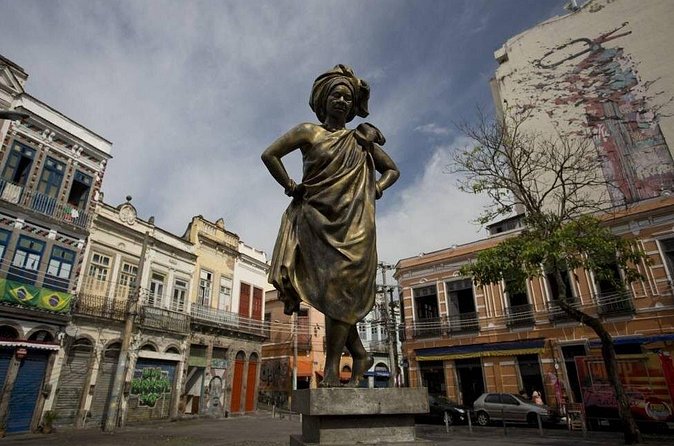
The air-conditioned vehicle is included, and that is welcome in Rio’s heat. The tour has a maximum vehicle capacity of 19 people, although the experience is described as a small-group tour.
Do not confuse the transfer with a fully vehicle-based sightseeing trip. You will walk between points of interest, and comfortable shoes are strongly recommended. Sunscreen, sunglasses, and a hat are sensible additions, especially for an afternoon departure.
One group had to use taxis twice after a participant became tired. Those fares were not included, so you should budget for the possibility that extra local transport could be your responsibility if someone in your group cannot continue on foot.
The vehicle itself may be smaller than you expect. A report from one three-person group described the rear seats as cramped, with three adults sitting together behind the guide. The operator said it would consider providing a larger vehicle, but you should still confirm the arrangement if comfort is a priority.
The guide may adjust the pace for older visitors or anyone who needs more time. Monica was praised for doing exactly that and for adding brief stops at other sites. That kind of flexibility can make a serious walking tour much more manageable.
Pickup details that can make or break the morning
The main meeting point is the Hotel Rio Othon Palace at Avenida Atlântica, 3264, on the fifth floor, in Copacabana. The tour ends back at the meeting point.
Hotel pickup is available from most hotels in Leblon, Ipanema, Copacabana, Flamengo, and Centro. You need to contact the operator to adjust the pickup time and confirm your hotel location.
Barra da Tijuca and Recreio dos Bandeirantes are outside the standard pickup area and cost extra. This point deserves attention because one booking became confused over whether hotel pickup had been confirmed.
My advice is simple: contact Rio Carioca Tour Ltda 24 hours before departure. Give the exact hotel name and location, confirm the pickup time, and ask whether you should go directly to the Othon Palace instead.
The tour runs twice daily, in the morning and afternoon. An early departure may suit you if you want cooler conditions, while an afternoon trip may fit better around a morning at the beach or another Rio attraction. The supplied details do not promise a particular departure time, so confirm it after booking.
The guide matters more than the vehicle
This experience depends heavily on the person leading it. Monica received strong praise for her subject knowledge, clear explanation of enslavement, flexibility with pace, and willingness to add short stops.
That is exactly what you want on a tour like this. The places themselves are meaningful, but the connections between them are not always obvious. A good guide helps you understand why the harbor, cultural house, stone site, and memory institute belong in one route.
English ability may not be identical among all guides. One participant found Antonio difficult to understand and felt that the language problem affected the day. The operator acknowledged the concern and said it would encourage him to improve his English clarity.
If you are booking because you need detailed English commentary, contact the provider before departure and ask which guide is assigned. Do not assume every guide will communicate at the same level.
You should also avoid treating optional suggestions after the tour as part of the package. One guide invited a group to an additional music event, but that was not included in the booked experience. Confirm any extra plan, cost, and meeting arrangement before agreeing to it.
Is $60 a fair price?
At $60 per person, the tour is not the cheapest way to walk through Little Africa. You are paying for a guide, a four-hour structure, an air-conditioned vehicle, and included admission to IPN, not for meals or a private tour.
The value is strongest if you want explanation and transport planning handled for you. Cais do Valongo and several neighborhood sites are free, but finding them, understanding their importance, and fitting them into a sensible route takes effort.
The price also makes more sense for visitors staying in the listed pickup areas. If you are in Barra or Recreio, the extra pickup charge reduces the value. Taxi fares during the tour are also separate if your group needs them.
Lunch is not included, so plan to eat before or after the outing. The four-hour schedule is long enough that you should not assume a meal break will be built in.
Group discounts may be available. The experience can be a fair deal for couples, families with older children, or friends who want a guided cultural day without paying private-tour prices.
Who should book this experience?
I would recommend it to you if you want to understand Rio beyond its beaches and postcard views. It suits visitors interested in African and Afro-Brazilian culture, public memory, slavery in Brazil, and the ways neighborhoods change over time.
It is also a good choice if you prefer a guide who can adjust the pace and explain difficult subjects with care. Monica’s example suggests that the best version of this tour feels personal without becoming casual about painful history.
Families can participate, but children must be accompanied by an adult. Children under four are free and must sit on a parent’s lap in the vehicle. Bring identification or a copy for every participant, including children.
I would hesitate if you dislike walking, need guaranteed spacious transport, or want a polished entertainment outing. This is not a samba show or a food tour, and lunch is not part of the package.
The tour requires good weather and a minimum number of participants. Confirmation arrives at booking, but the operator may reschedule if the minimum is not reached. The stated weather terms indicate a new date or full refund if poor weather cancels the experience, though another note says the tour is nonrefundable in bad weather, so clarify that point before booking.
Should you book the Little Africa tour?
Book it if you want a serious, guided look at Rio’s African heritage and can manage several hours of walking. The strongest reasons are the careful route, the emotional importance of Cais do Valongo, the included IPN admission, and the chance to have a guide explain details you could easily miss alone.
Before paying, confirm three things: your exact pickup arrangement, the vehicle size, and the English ability of the assigned guide. If those details are clear, $60 is a reasonable price for a structured small-group experience that connects four important sites.
FAQ
How long does the Little Africa Guided Tour with Transfer last?
The tour lasts approximately four hours.
How much does the tour cost?
The listed price is $60 per person. Group discounts may be available.
Where does the tour start and finish?
The main meeting point is Hotel Rio Othon Palace at Av. Atlântica, 3264, fifth floor, in Copacabana. The tour ends back at the meeting point.
Is hotel pickup available?
Pickup is available from most hotels in Leblon, Ipanema, Copacabana, Flamengo, and Centro. You must contact the operator to confirm the hotel location and pickup time.
Is pickup available in Barra da Tijuca or Recreio dos Bandeirantes?
Pickup in Barra da Tijuca or Recreio dos Bandeirantes is available for an additional price.
What language is the tour offered in?
The tour is offered in English. English communication may vary by guide, so you can contact the provider before departure if this is important to you.
Are meals included?
No. Lunch is not included.
Are children allowed on the tour?
Yes. Children must be accompanied by an adult. Children under four are free and must sit on a parent’s lap in the vehicle. Identification or a copy is mandatory for children as well as adults.
What happens if the tour is canceled?
If you cancel at least 24 hours before the start time, you can receive a full refund. Changes or cancellations made less than 24 hours in advance are not accepted for a refund. If poor weather or an insufficient number of participants causes cancellation, you are offered another date or experience, or a refund.
Newest reviews from around Rio de Janeiro
- Hang gliding flight in Rio de Janeiro★ 5.0 · 6 reviews
- Rio de Janeiro: Zip Lining and Canopy Tree Tour★ 3.3 · 6 reviews
- Vidigal Favela Tour★ 4.4 · 26 reviews
- Rio de Janeiro: Attend a Vasco da Gama game with local guide★ 4.8 · 9 reviews
- Unforgettable Boat Party★ 5.0 · 3 reviews
- Parapente Rio de Janeiro★ 5.0 · 4 reviews
- Rio de Janeiro Private Tour with Cruise Terminal Pick-up★ 5.0 · 2 reviews
- Wild Waters: Rio Whitewater Rafting Adventure Tour★ 5.0 · 13 reviews
Private Drivers, compared.





TRANSFER 4 PASSENGERS GIG/SDU X Copacabana/Ipanema/Leblon
Read our review →
Private Transfer to Sao Paulo from the Airport
Read our review →
Transfer Fortaleza to Jericoacoara for up to 4 people
Read our review →
Transfer Salvador Airport / Hotel Litoral Norte
Read our review →Browse the lists this tour appears in